
How Professional Roofers Inspect a Roof From Top to Bottom
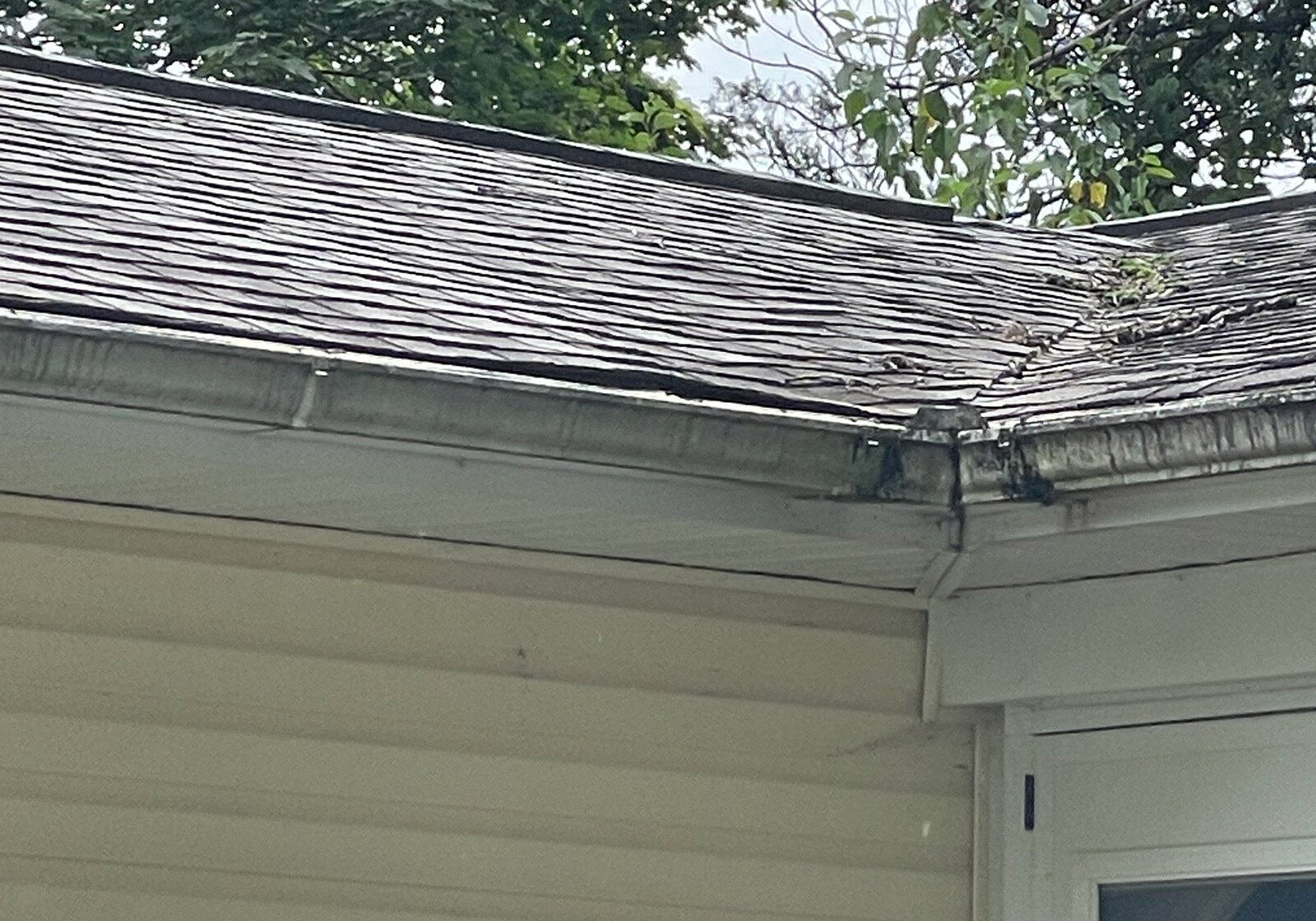
Professional roofers inspect a roof in three stages: ground, roof, and attic. First, they scan from the ground for missing or curling shingles and sagging rooflines. Next, they climb up to check flashing around chimneys and vents, clear gutters, and look for moss or algae. Finally, they go into the attic to check for daylight through the decking, water stains, and wet insulation. Here's the basic order:
- Ground-level visual scan
- Shingle and roof-field check
- Flashing, chimney, and vent inspection
- Gutter and downspout review
- Attic check for leaks and airflow
Want a professional set of eyes on your roof? Request a free roof inspection — Krause Companies serves Forest Hill, Bel Air, and all of Harford County.
Your Roof Sends Warning Signs Long Before It Leaks
A leak is rarely the first sign of roof trouble. Most roofs tell you they need help months before water gets inside. Watch for granule loss in your gutters, which looks like coarse sand and means shingles are wearing thin. Curling or cupping shingle edges are another early clue, especially after a hot Maryland summer. A sagging roofline is a bigger concern and often points to structural issues underneath.
Homes throughout Harford County, including Fallston and Forest Hill, tend to show these signs earlier because of older housing stock. In our years inspecting local roofs, we see the same pattern: homeowners wait until a leak appears, when the shingles had been warning them for a year or more.
Ground-Level and Roof-Level Checks Roofers Never Skip
A real roof inspection starts before anyone climbs a ladder. From the ground, we look for uneven rooflines, missing shingles, and stained siding below the roof edge. Then we get up close and check the details that cameras and drive-by looks tend to miss.
Flashing around chimneys and vent pipes gets special attention, since a small gap here is one of the most common leak sources. We check vent boots for cracking, since rubber seals wear out well before shingles do. Bel Air's mature tree cover also means more moss and algae buildup, which traps moisture against the roof surface.
Our licensed technicians follow the same multi-point process on every roof, so nothing gets missed because of guesswork or shortcuts.
Roofer-Led Inspections Differ from Adjuster-Only Visits
An adjuster works for the insurance company. A roofer works for you. That difference matters when it comes to documenting roof damage. A roofer inspects your roof with your interests in mind, takes detailed photos, and notes issues an adjuster visit alone might miss.
Many Bel Air homeowners skip this step and go straight to the adjuster. Without a roofer's documentation first, damage can go unnoticed or get downplayed during the claims process.
Krause Companies uses in-house specialists for every inspection, not subcontracted crews. This means the same trained team examines your roof each time, so findings stay consistent and accurate.
Calling a roofer first gives you a clear, honest record before the adjuster ever steps on your roof.
What a Thorough Attic Inspection Reveals That the Outside Can't
A clean roofline from the street does not always mean your roof is in good shape. Some of the clearest warning signs only show up in the attic. We look for daylight coming through the roof decking, which points to gaps or damage you cannot see from outside. Water stains on the wood or insulation are another red flag, even without a visible leak.
Wet or compacted insulation loses its ability to keep your home efficient, and it often means moisture has been building for a while. Maryland's humid summers make this worse, from Forest Hill to Abingdon. In our attic checks, this step often uncovers the real story a roof has been trying to tell.
A Real Inspection vs. a Rushed Drive-By Look
Not every roof inspection is the same. A full inspection covers the ground, the roof, and the attic. A drive-by look often means a few photos from the street and a quick estimate. Harford County's storm season draws traveling crews who move fast and skip the details that matter.
Our teams are in-house and licensed, not subcontracted, so the same standards apply on every job. A real inspection includes flashing and vent boot checks, gutter review, and a look inside the attic. A drive-by often skips all three, missing gaps and moisture that lead to bigger repairs later.
The National Roof Certification and Inspection Association also publishes a roof inspection checklist that shows many of the components professional inspectors evaluate during a comprehensive inspection.
How Long a Roof Lasts and How Often to Get It Checked
Roof lifespan depends on the material. Asphalt shingles typically last 20 to 25 years. Architectural shingles can last 25 to 30 years. Metal roofs often last 40 to 70 years with proper care.
Homes near mature trees, common in Bel Air, may need more frequent checks because of debris and moisture buildup. As a general rule, plan on a professional inspection every year or two, and always after a major storm. For exact pricing on repairs or replacement, ask for a written estimate.
Ready to have a licensed professional roof inspection performed? Our experienced team follows this same comprehensive process to evaluate your roof, document its condition, and recommend the right next steps.
Why Forest Hill Homeowners — and Their Bel Air and Fallston Neighbors — Trust Krause Companies
Krause Companies is based in Forest Hill, just minutes from Bel Air, Fallston, and Abingdon. We serve homeowners throughout Harford, Baltimore, Cecil, and Worcester Counties.
With one call, you get remodeling, HVAC, electrical, plumbing, and roofing help, all under one roof. We bring over 30 years in business and more than 34,000 local references to every job. Our technicians are licensed, certified, and local, so you get consistent quality no matter which service you need.